The labels describe different things
A network name is not a routing protocol
AI concept illustration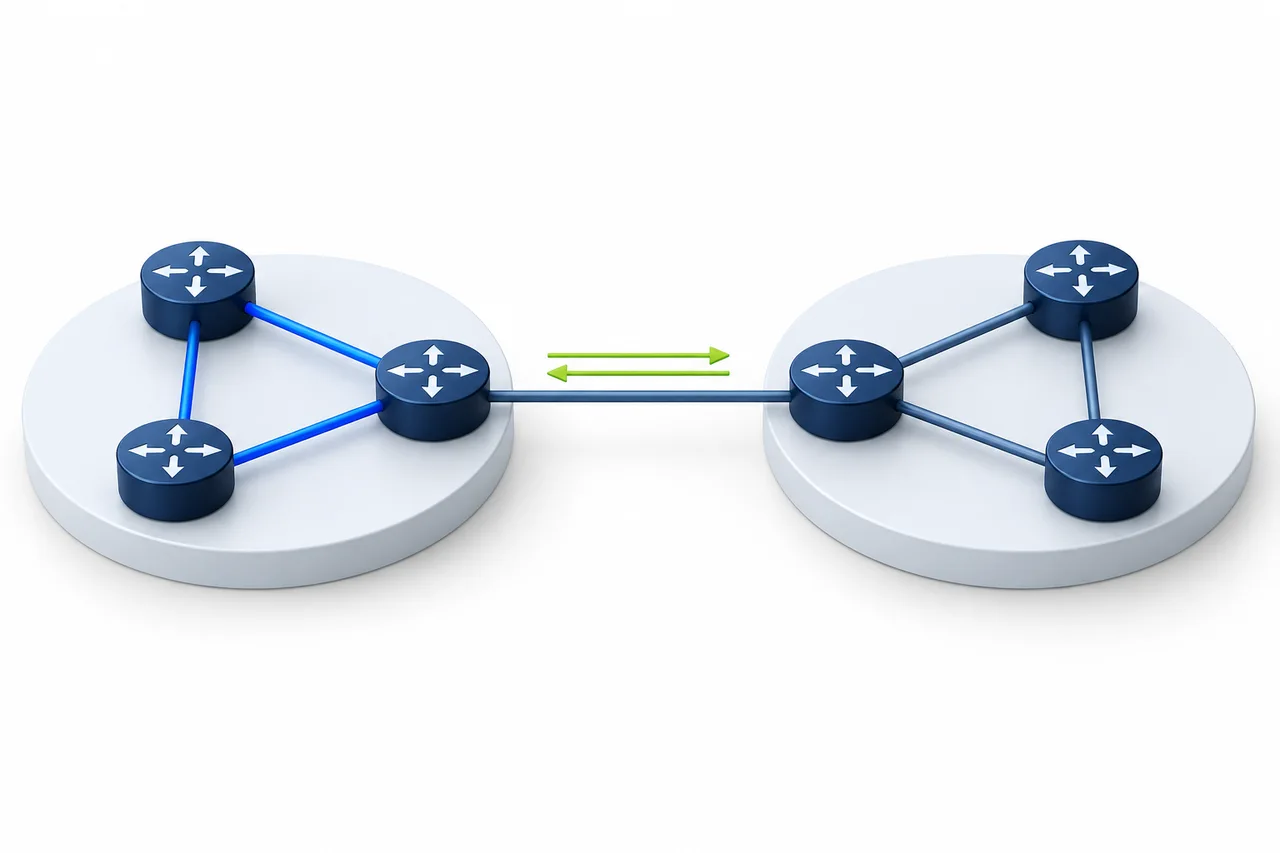
- Network groups
- CN2 and CMI refer to carrier networks.
- Two-way arrows
- BGP exchanges routing information between networks; it is not a quality tier.
Concept only: not the actual topology or performance of CN2 or CMI.
CN2 and CMI refer to carrier networks; BGP is a routing protocol. These labels do not form a best-to-worst performance ranking. Start with your users’ locations and carriers.
Request the right test target
Provide the product and bandwidth option you are considering. Confirm the test IP’s region, route and intended use. A different server in the same city is only a reference, not a substitute for testing the intended route.
How to record a test
Record the time, source region and carrier, and destination. Use Ping for response times and loss, then traceroute or MTR to inspect the path. Keep the original output so support can review it.
Avoid misleading conclusions
Network Lab uses public probes, so results describe the probe-to-target path rather than your local connection. ICMP restrictions can cause missing responses even when an application is available; check the application connection too.